
Context
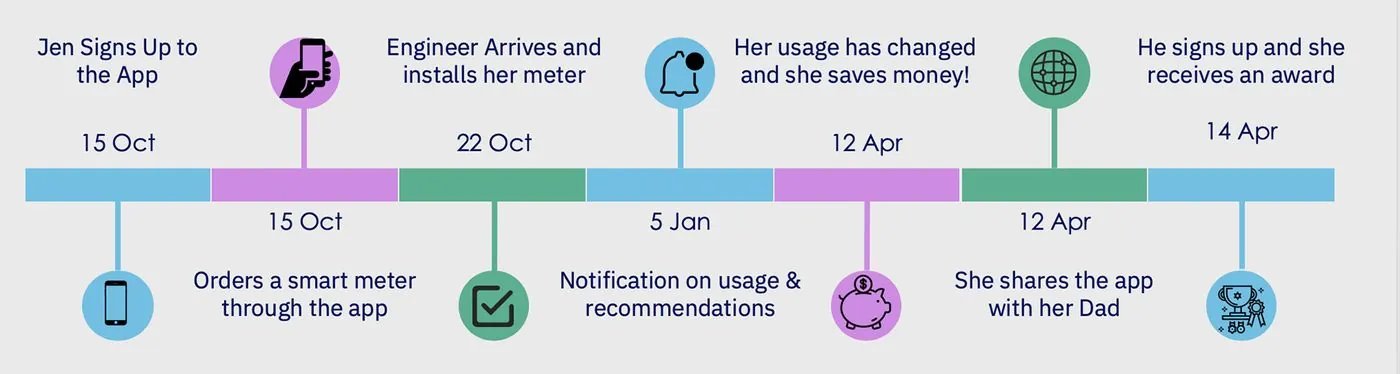
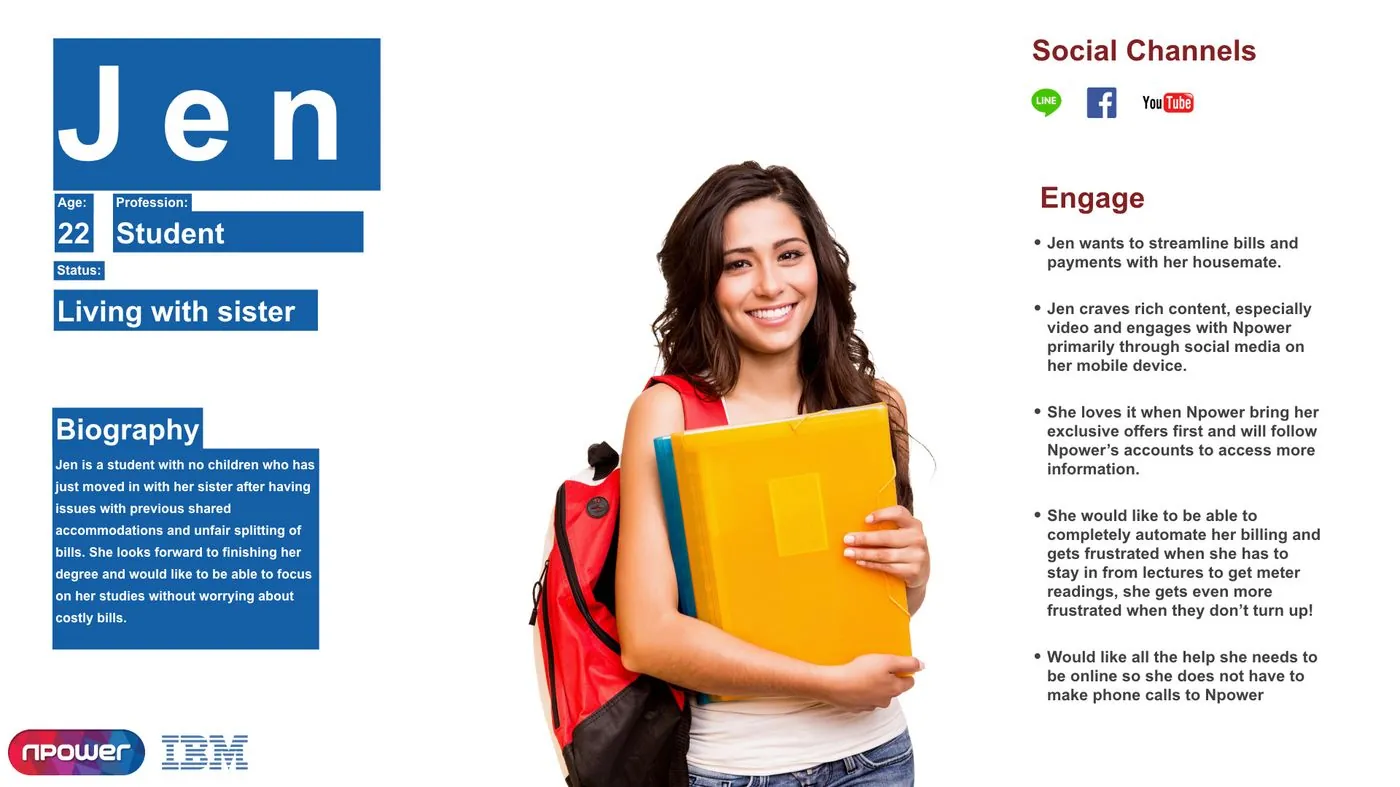
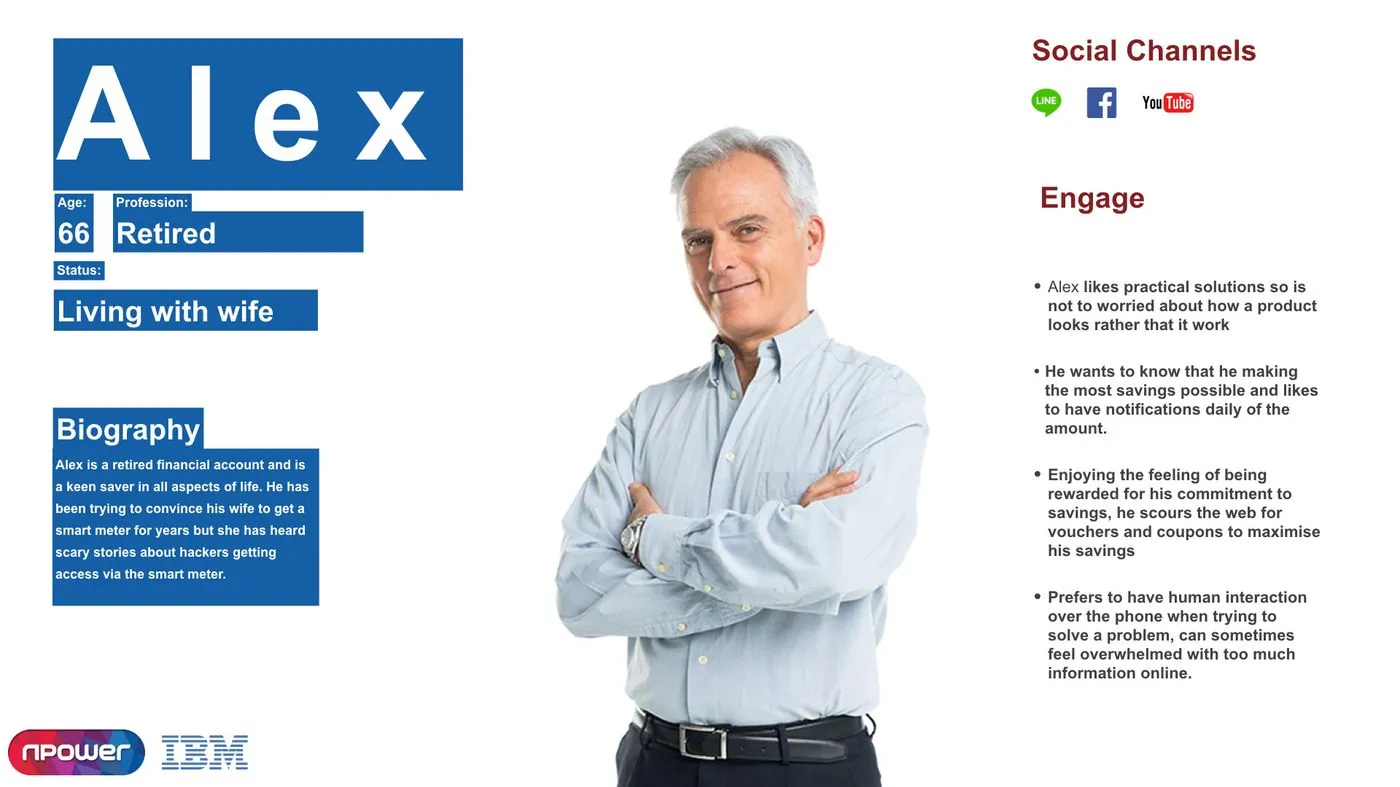
Energy companies were pushing smart meter adoption onto customers with starkly different trust profiles. Jen, 22, wanted to fully automate her billing and never call npower again, frustrated when meter readings meant staying in from lectures. Alex, 66, wanted to know he was saving money but preferred a human on the phone, and had spent years unable to convince his wife a smart meter wouldn't let hackers into their home. Designing one onboarding flow for both was the actual brief.
Approach
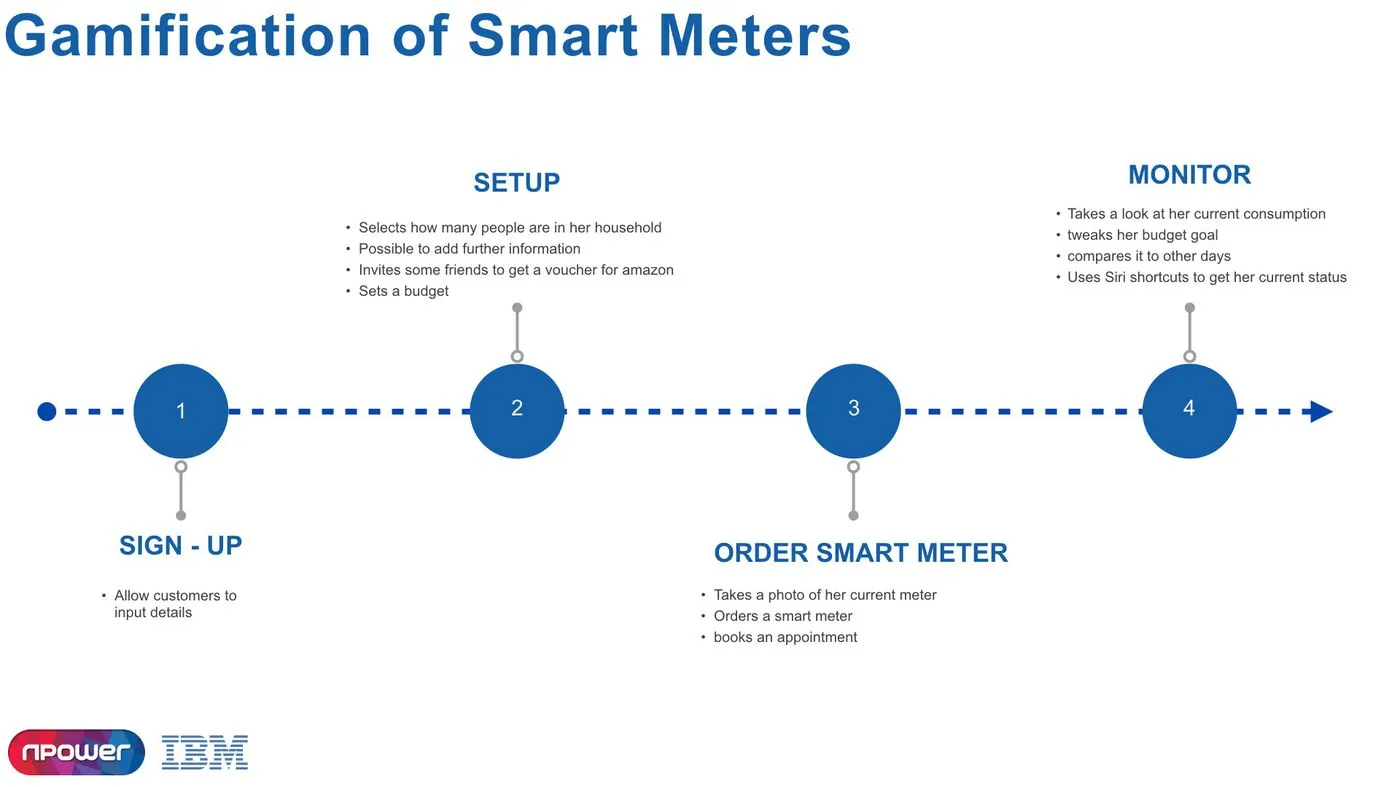
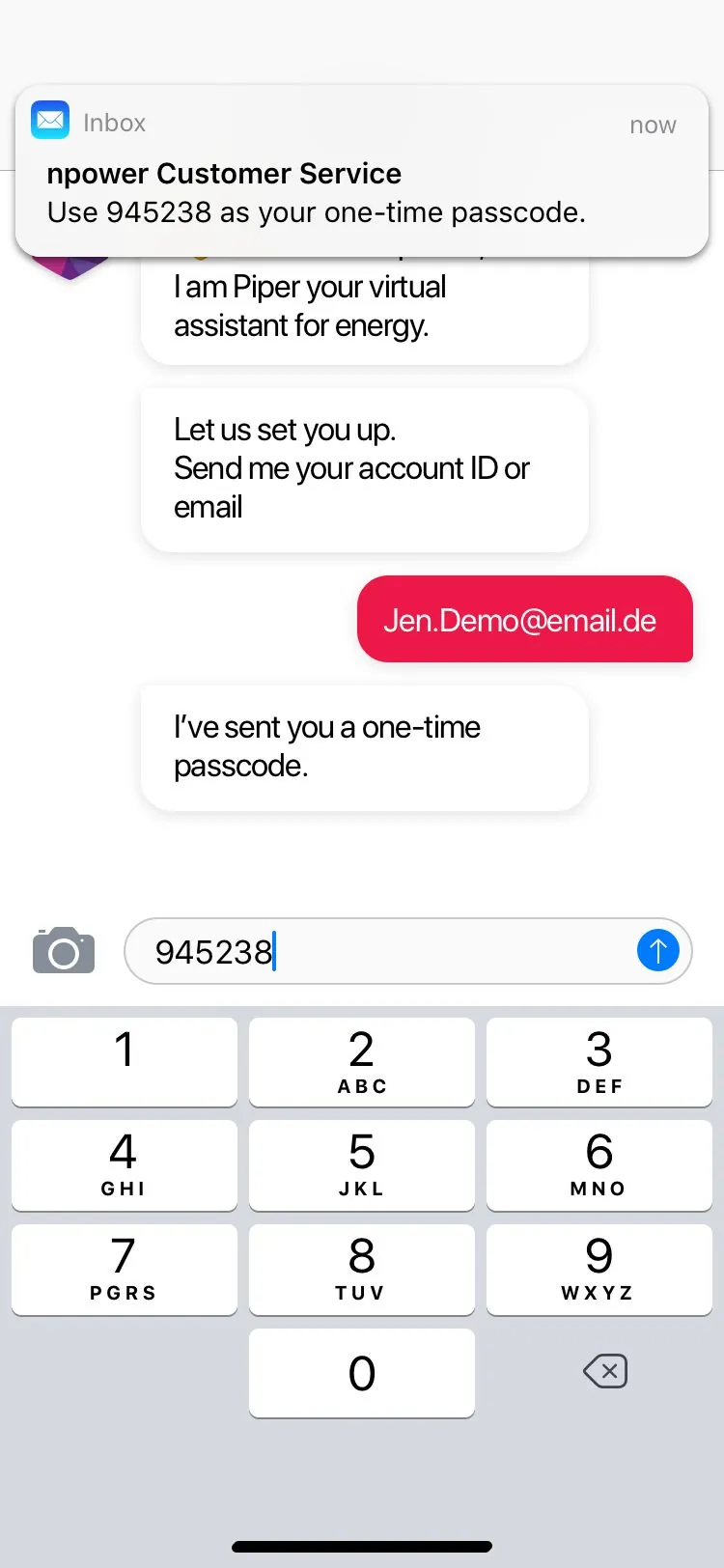
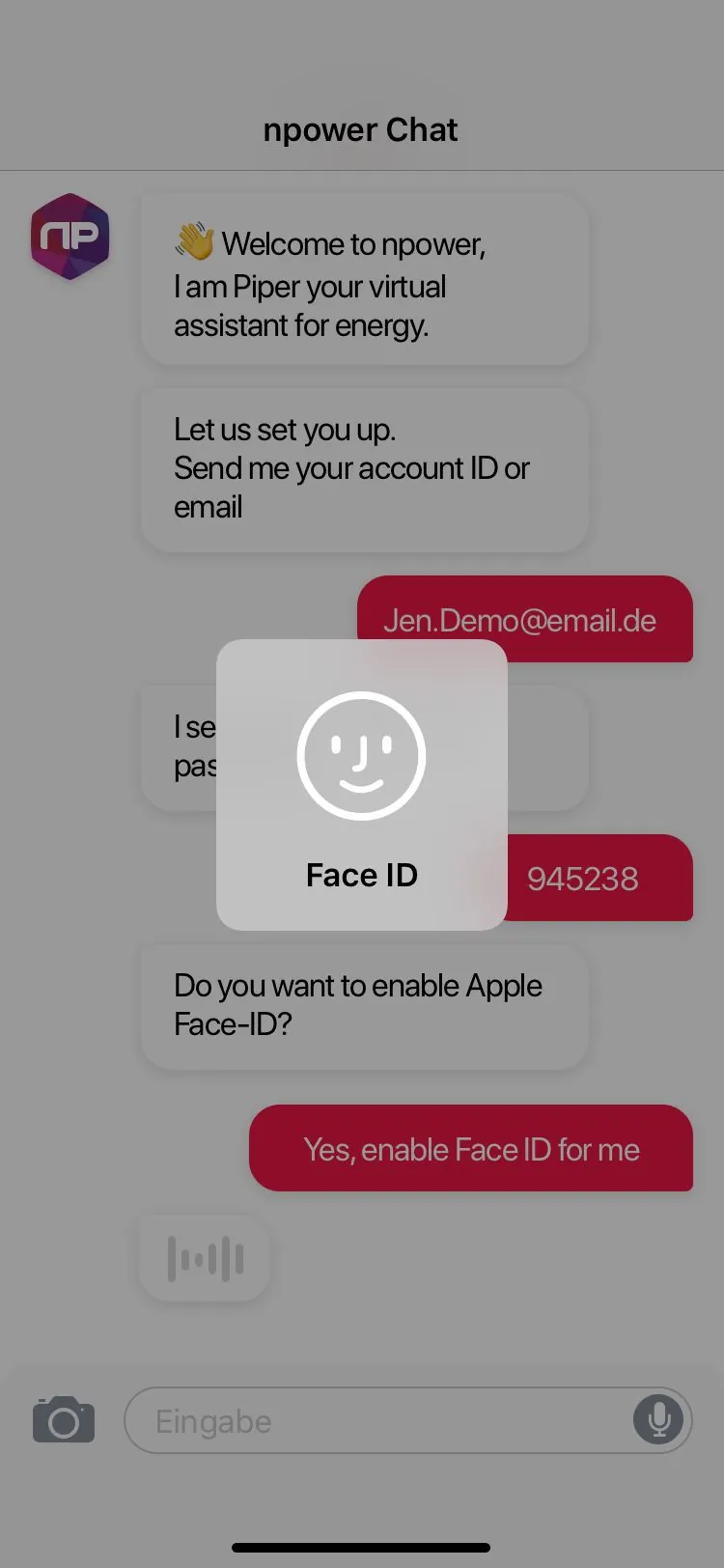
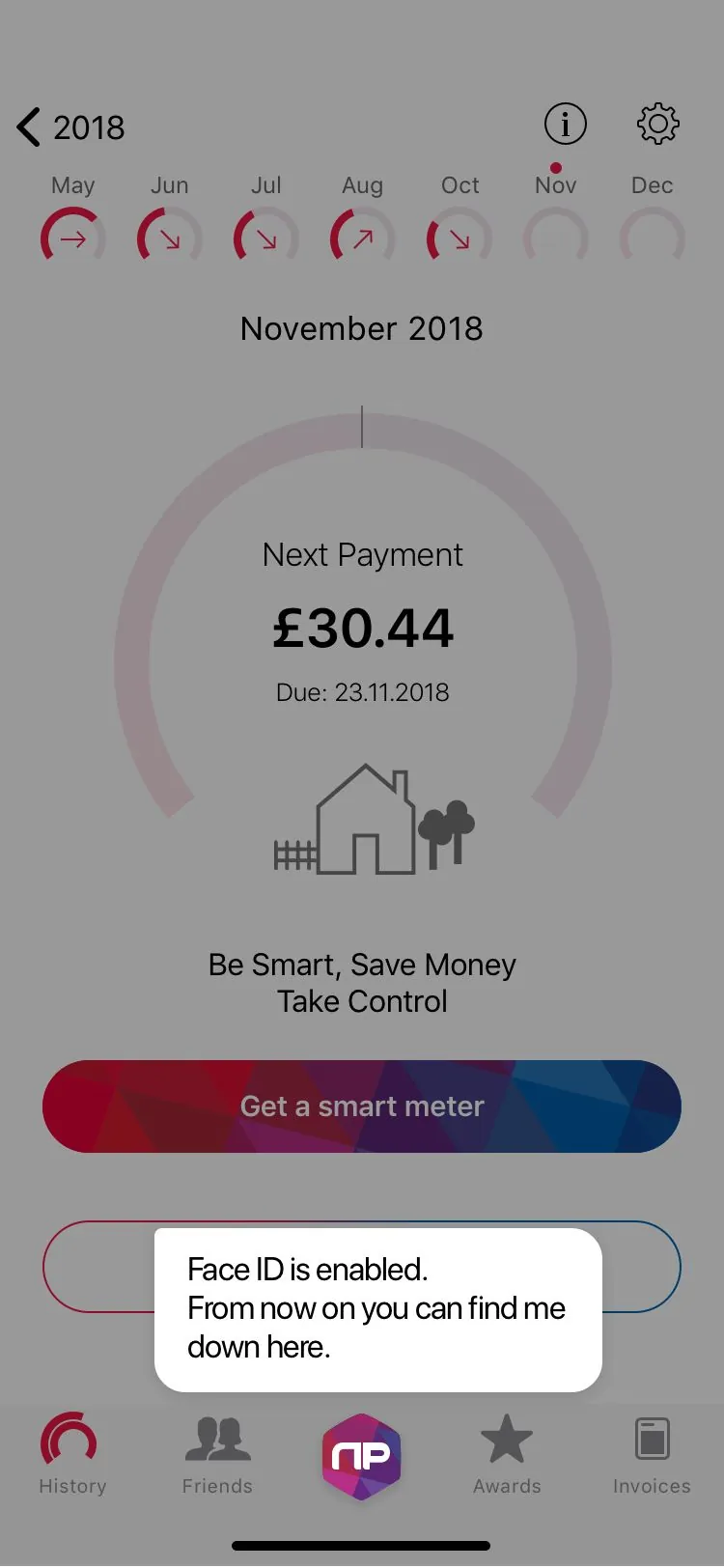
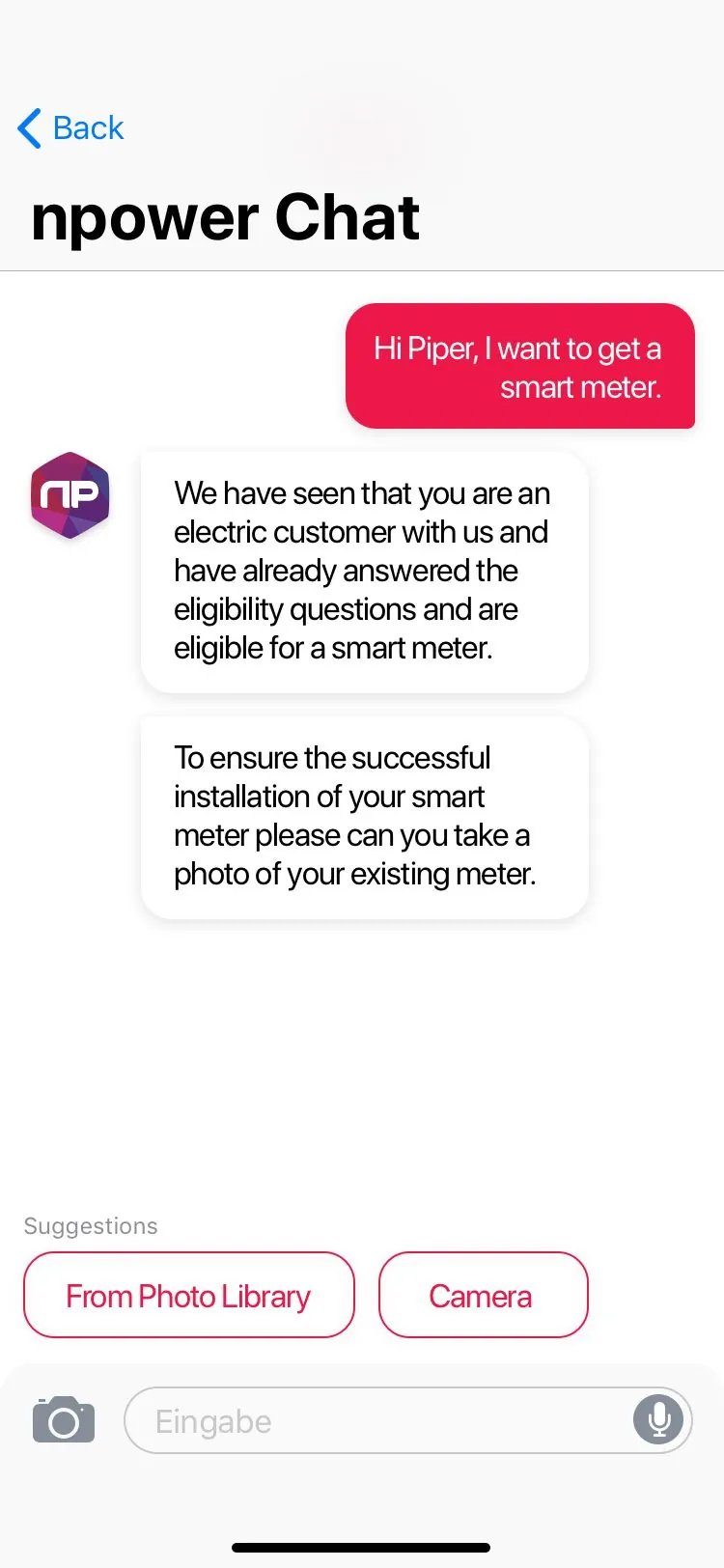
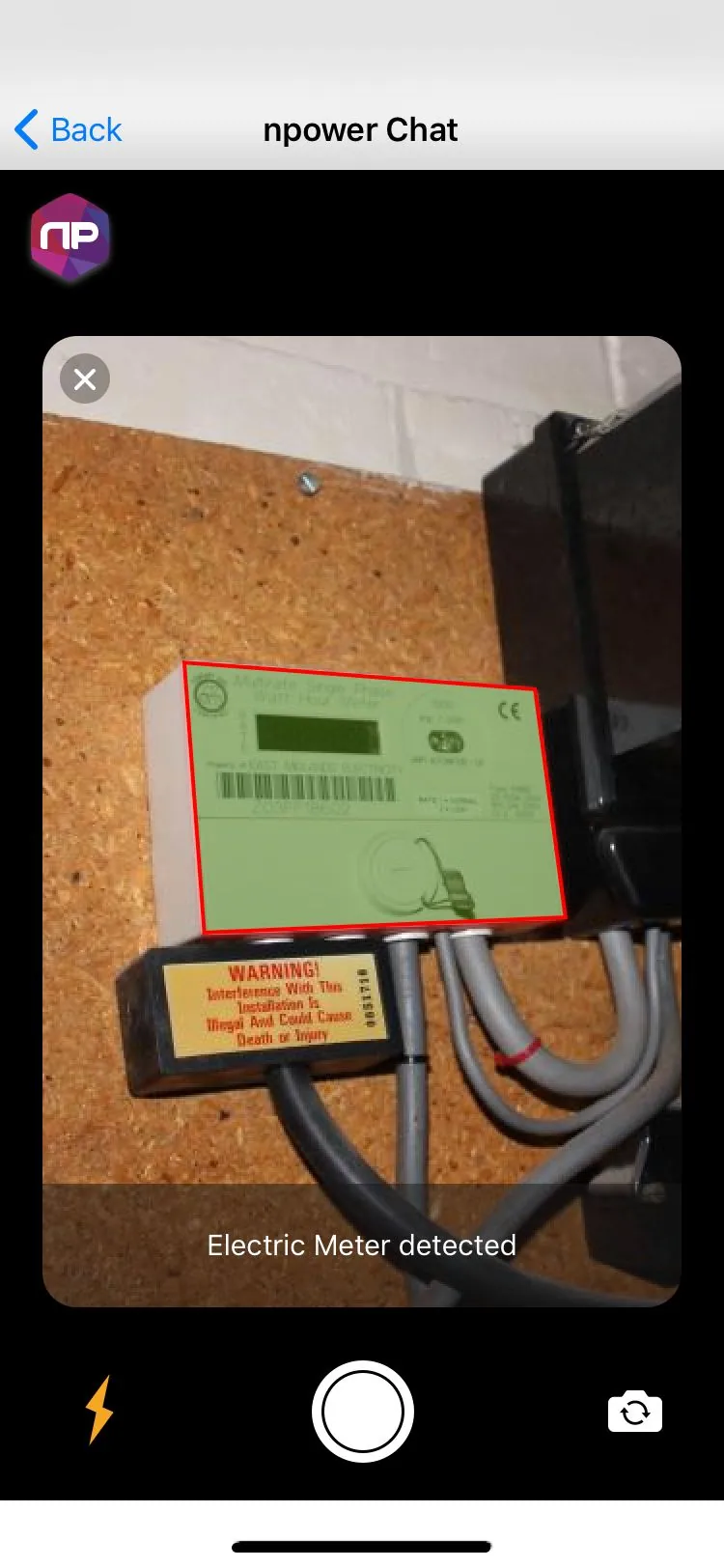
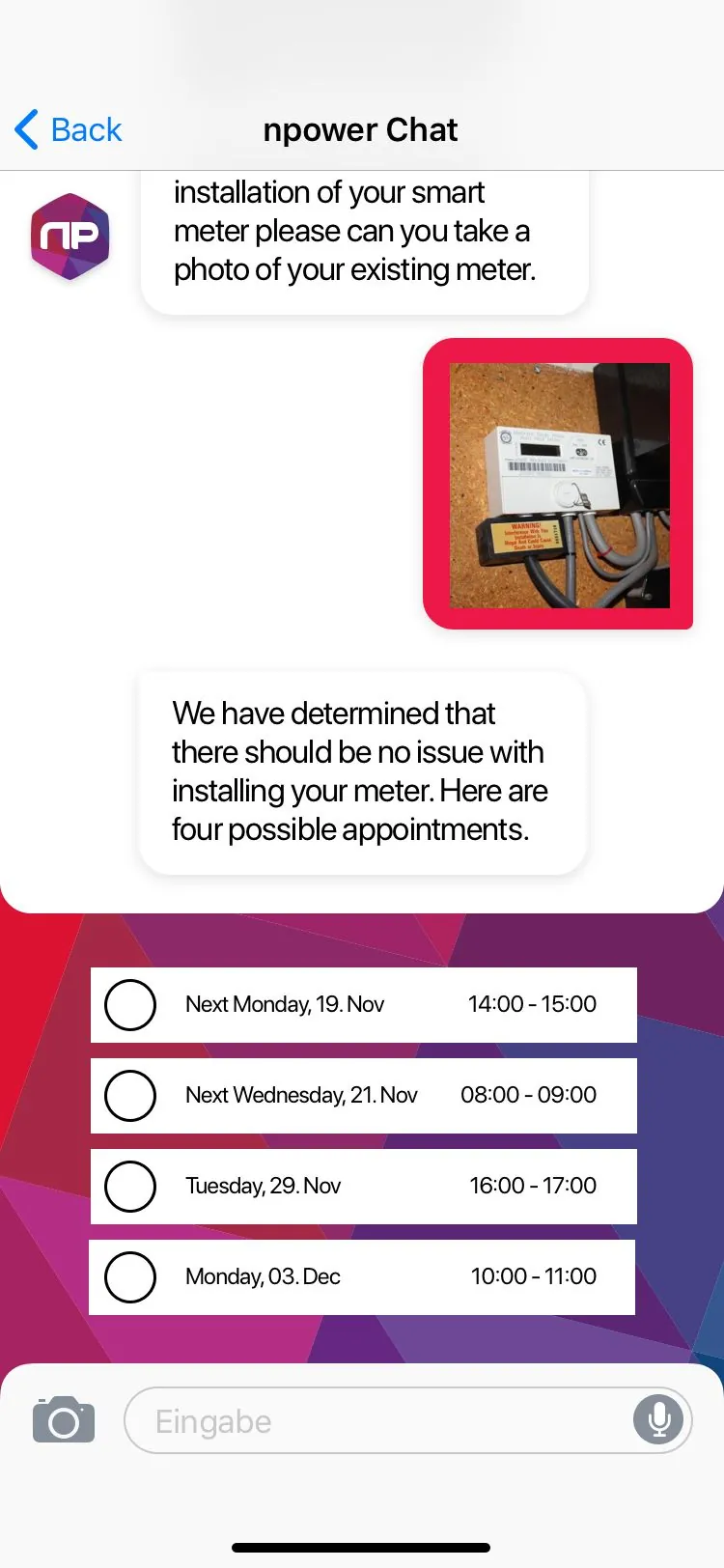
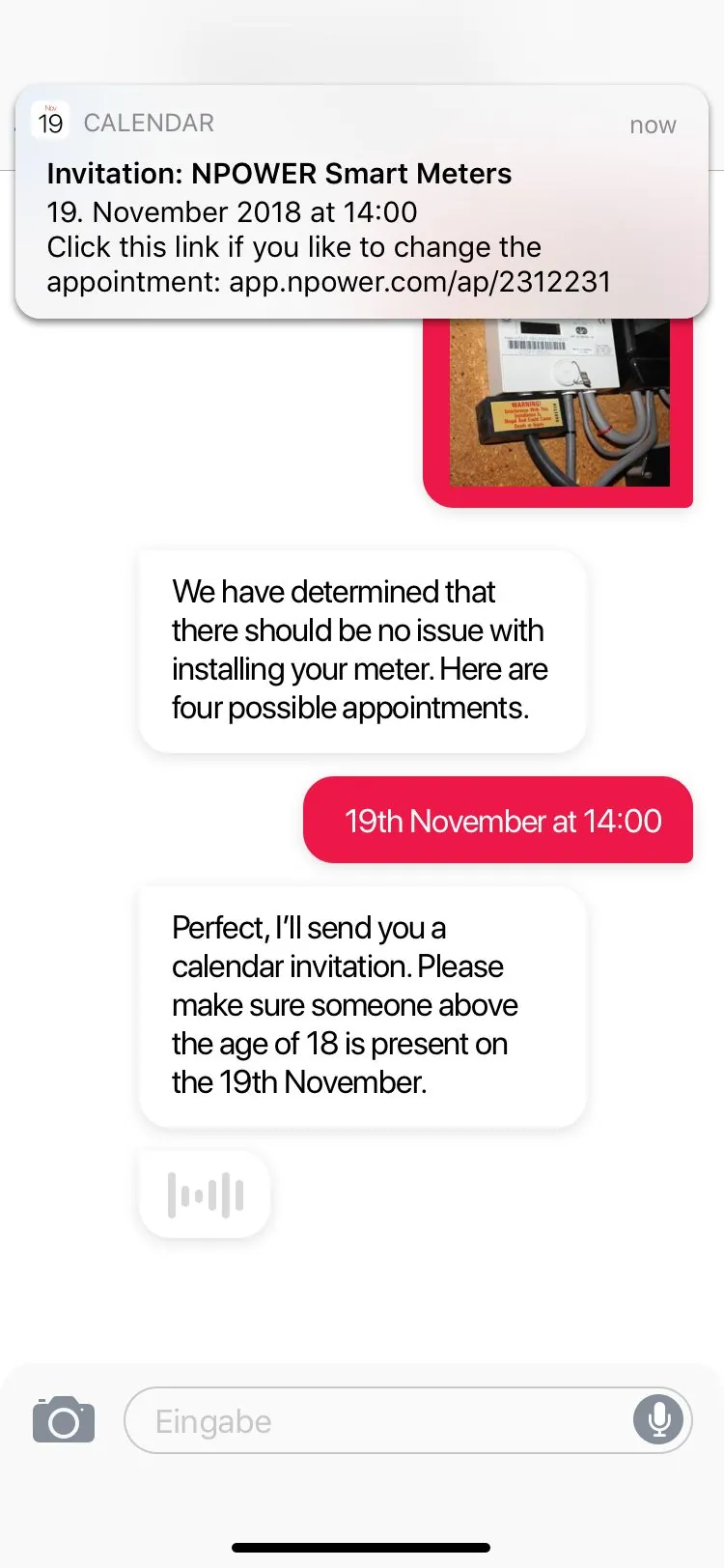
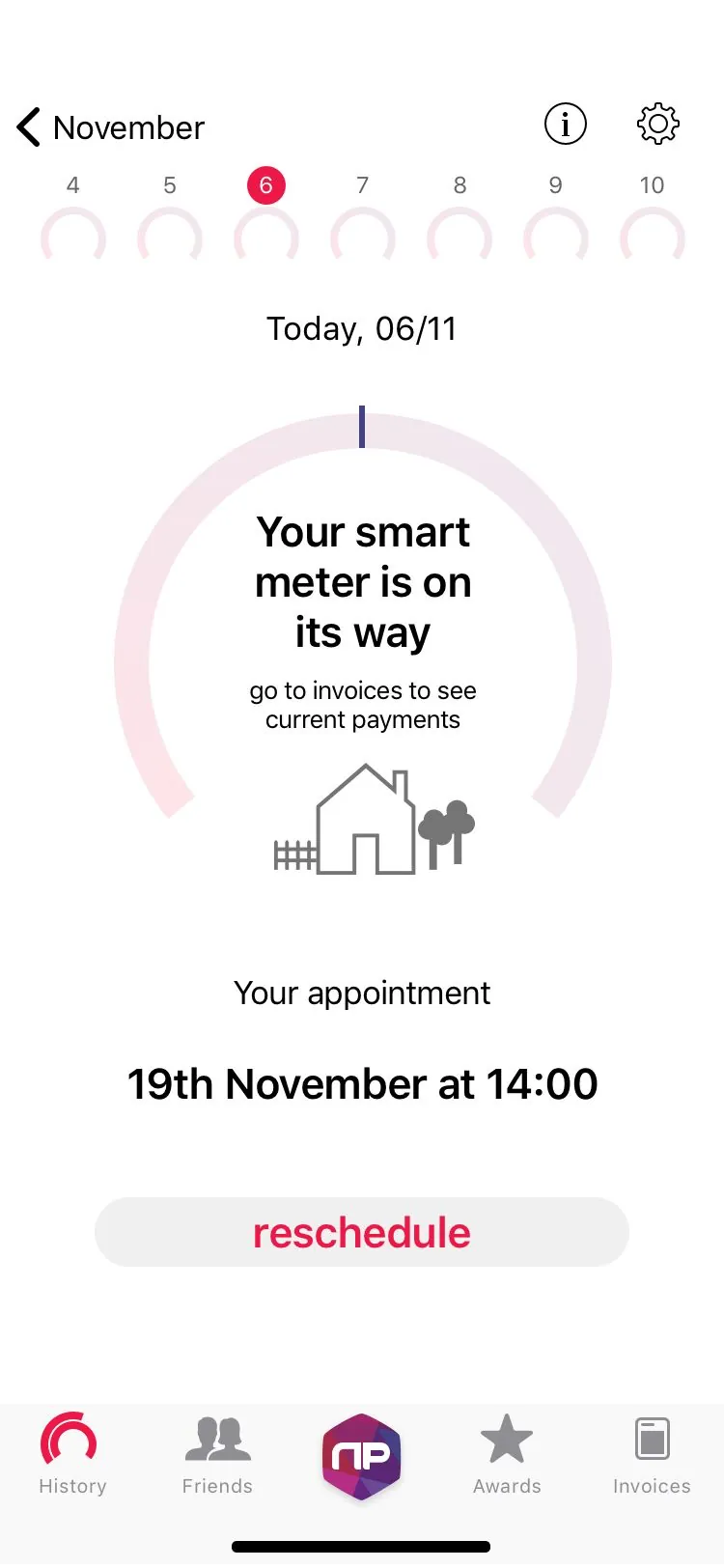
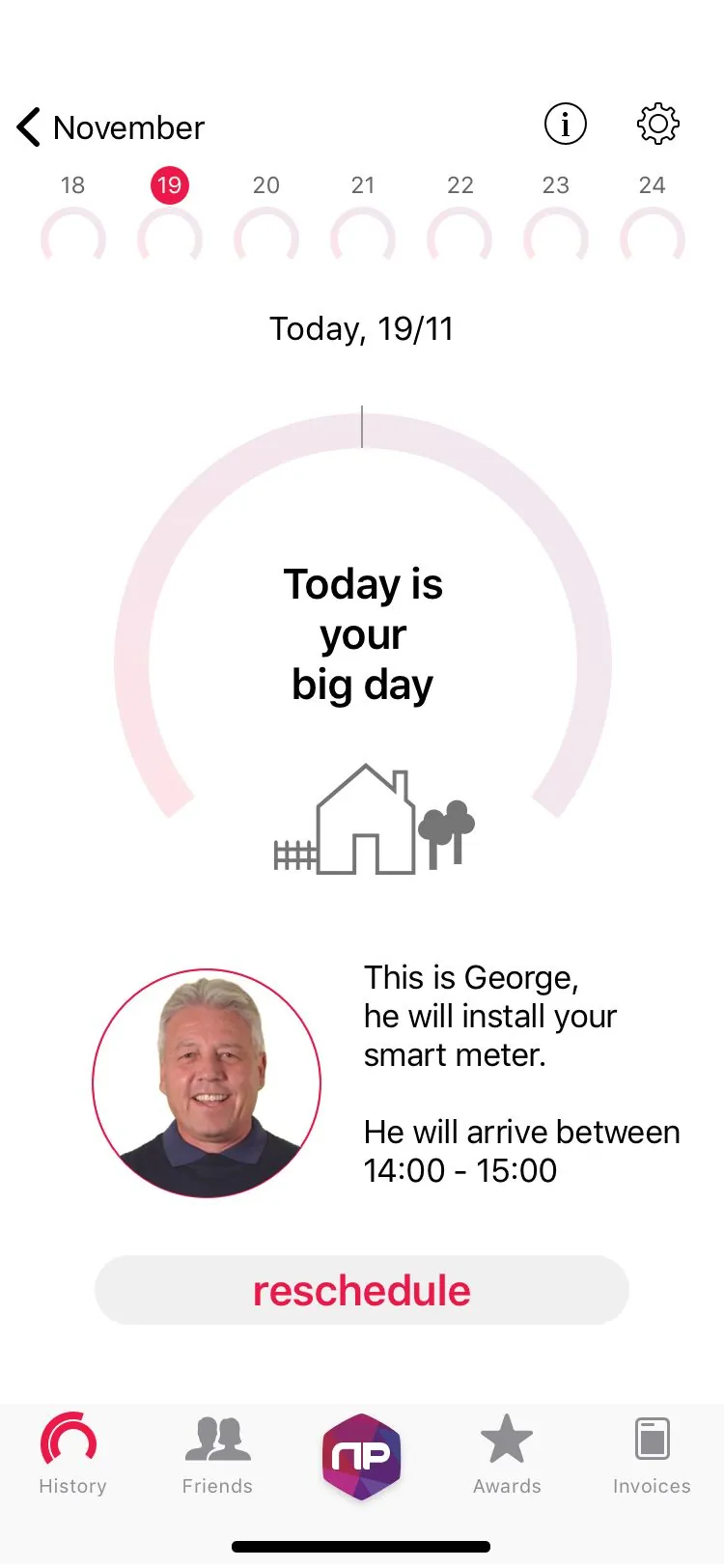
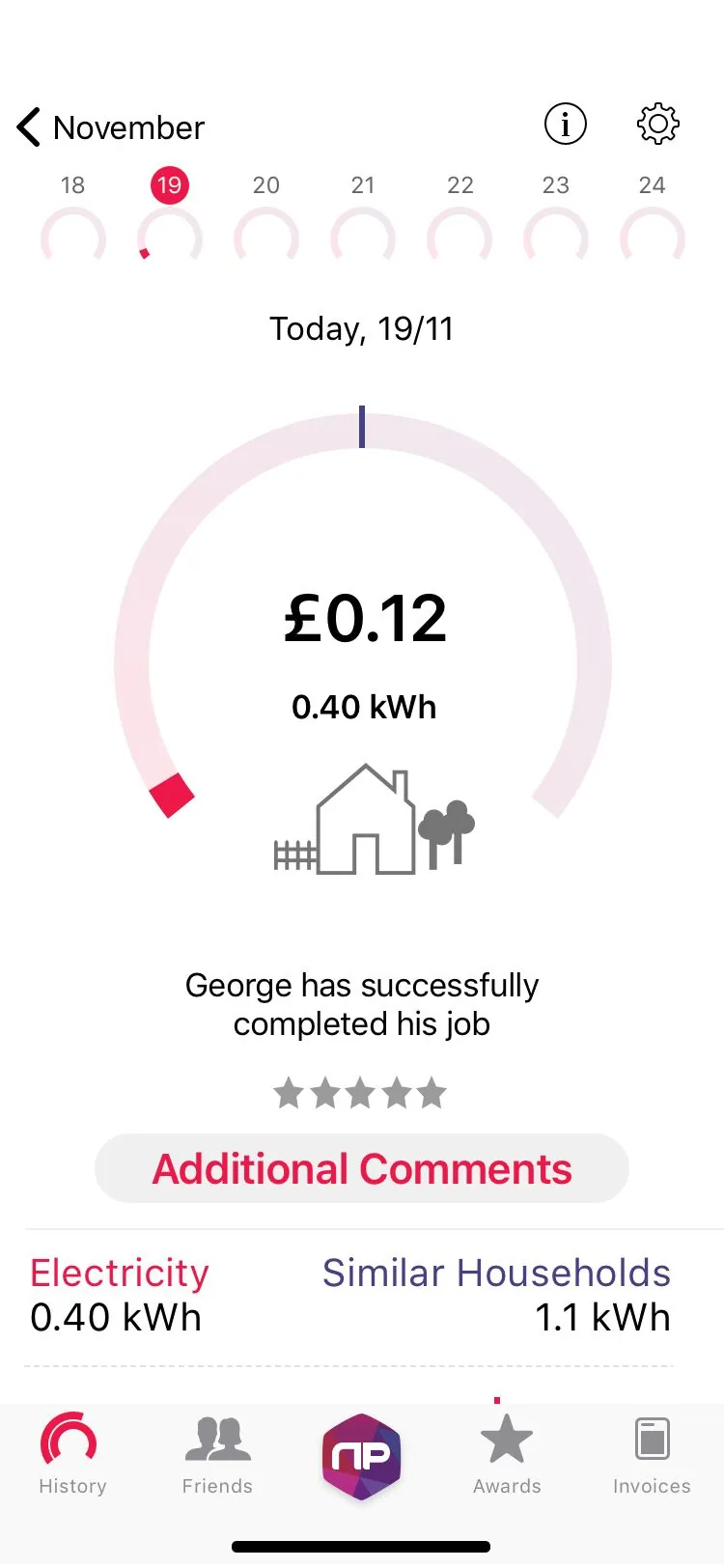
Replaced the sign-up form with a conversation: "Piper", a virtual assistant for energy, takes an email, sends a one-time passcode, offers Face ID, then walks the customer through photographing their existing meter, auto-detecting it in frame before booking an engineer visit. The chat interface answers Jen's need to never phone in, while the plain, step-by-step confirmations at each stage (an engineer's name and photo, an exact arrival window, a completed-job rating) give Alex the reassurance a faceless automated process wouldn't.
After installation
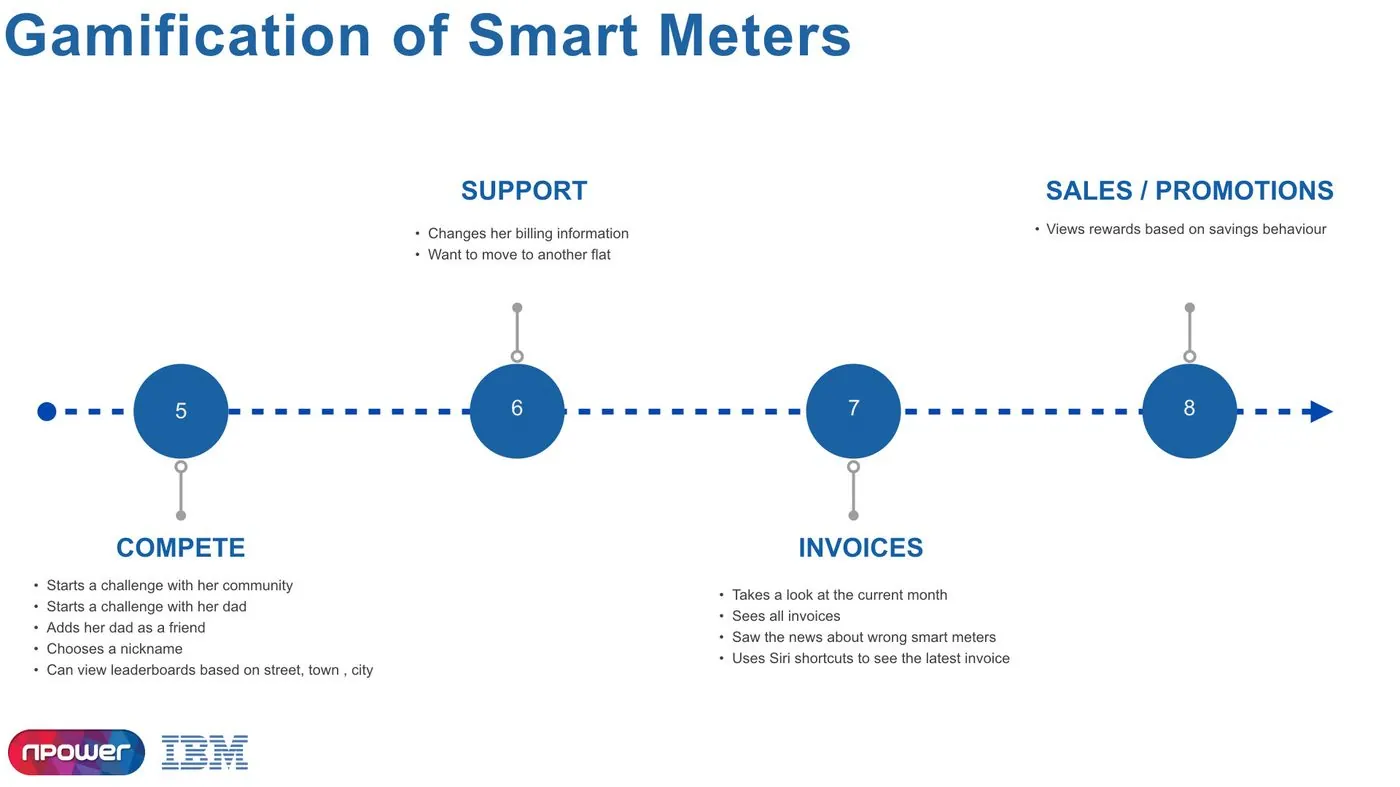
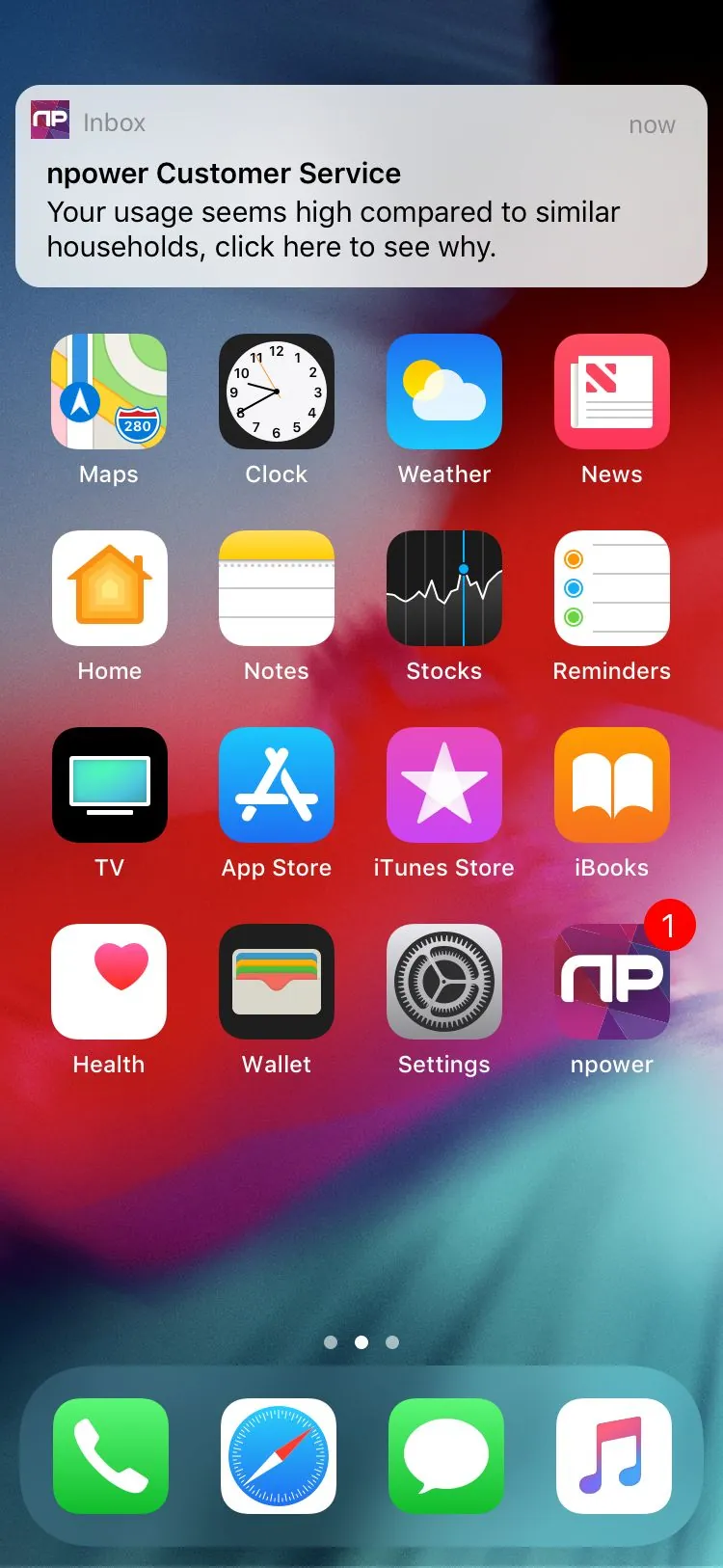
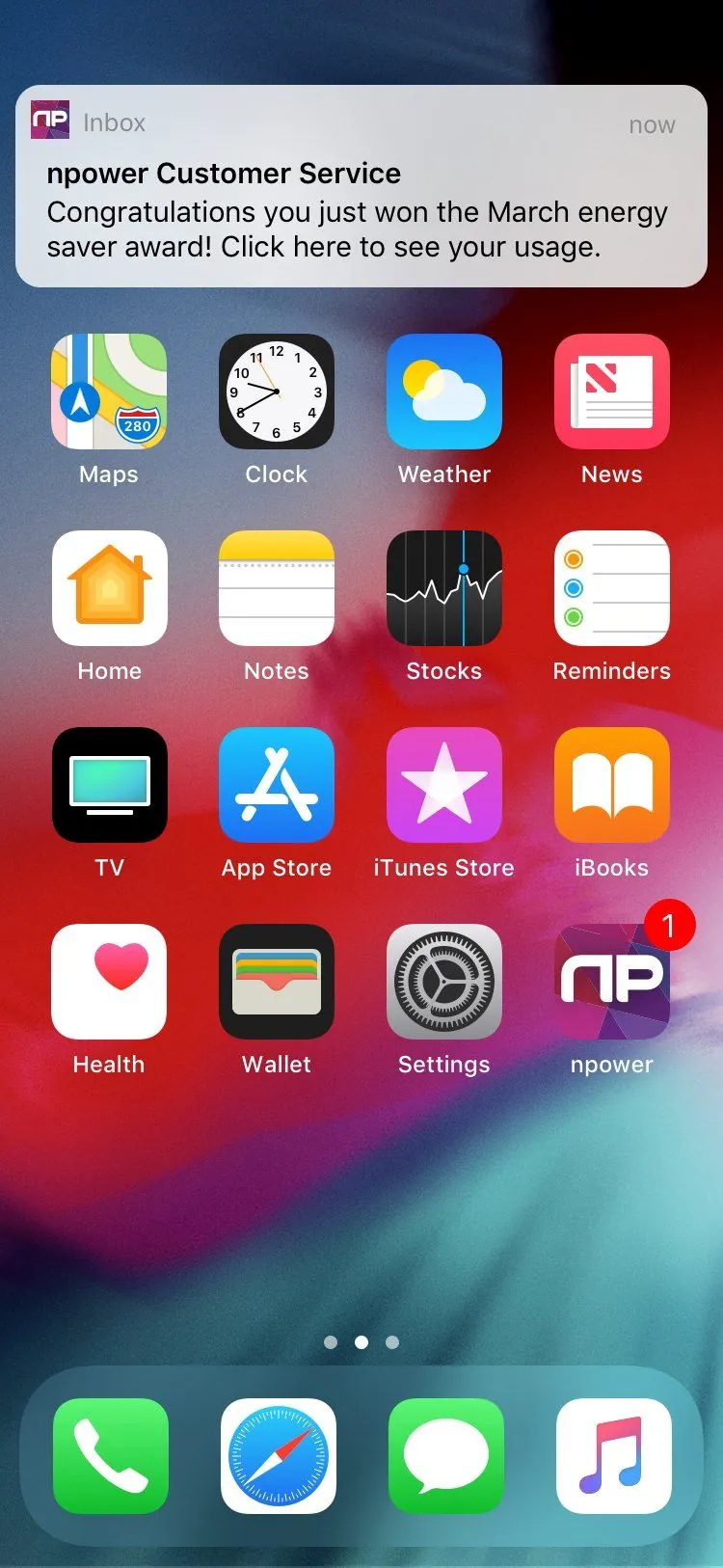
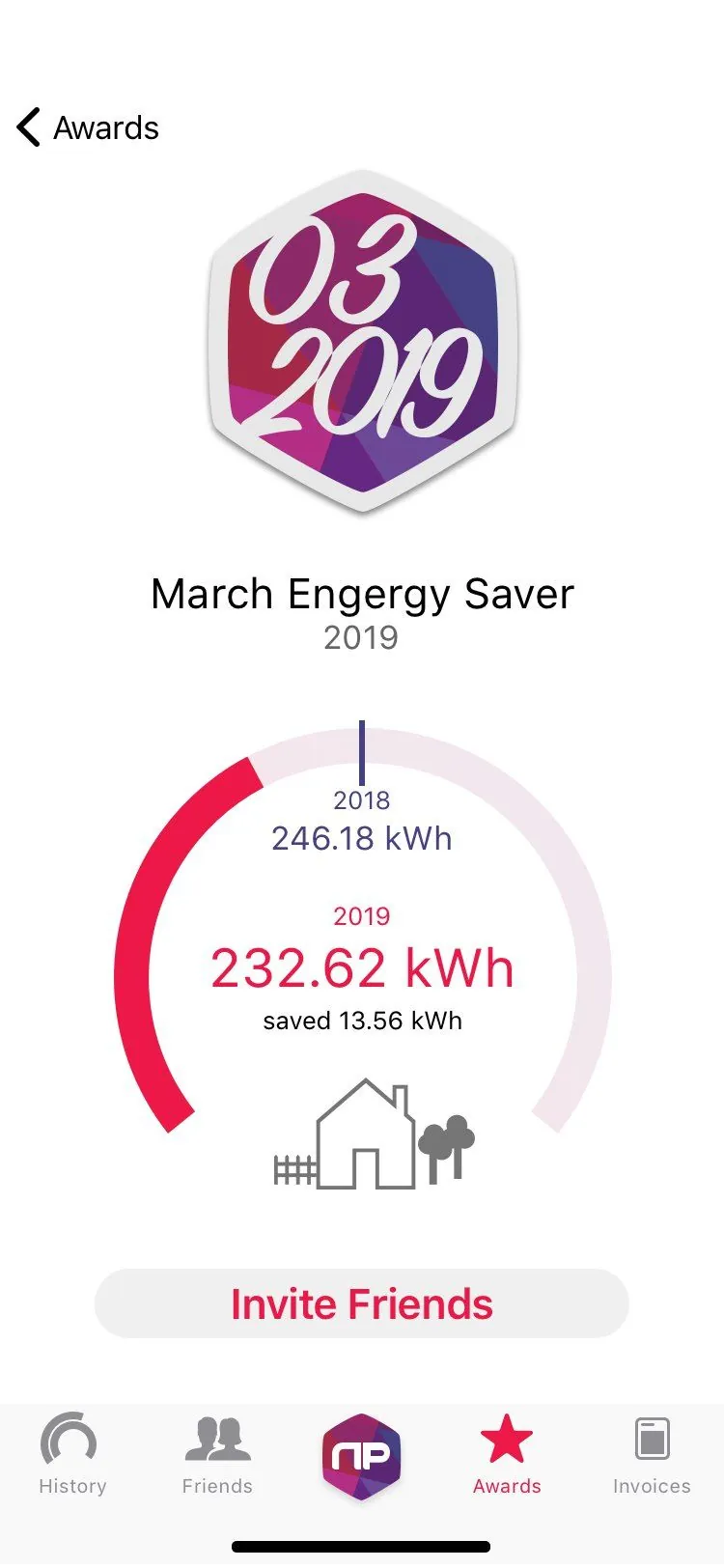
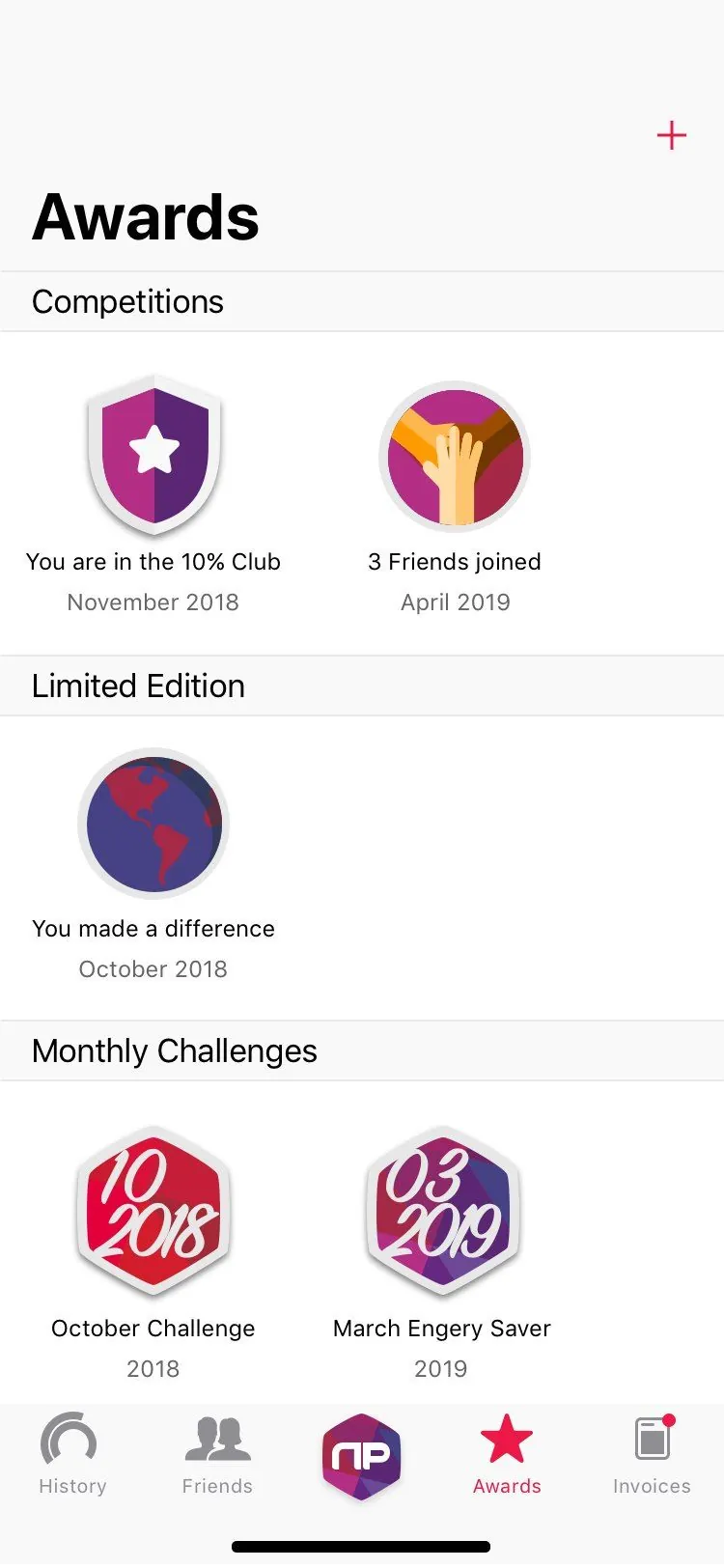
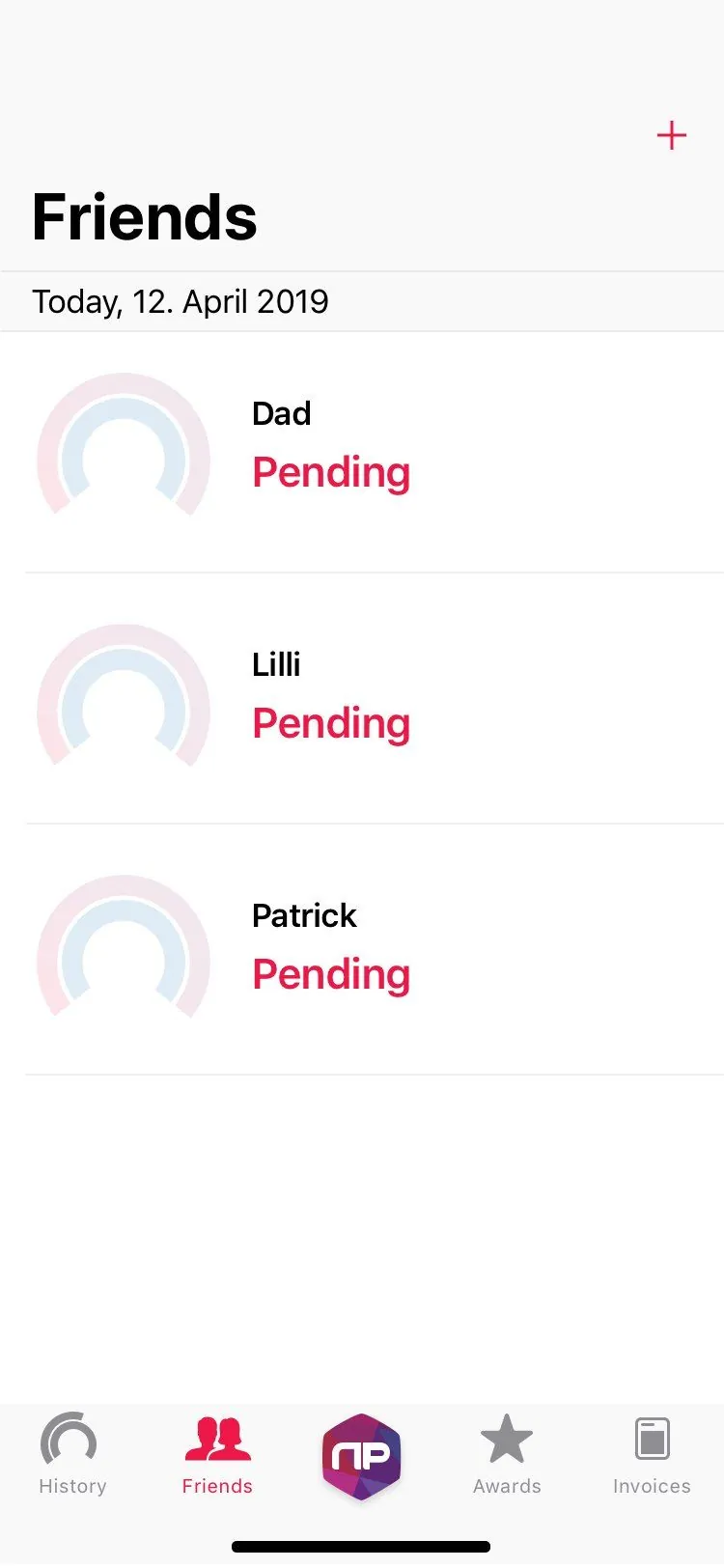
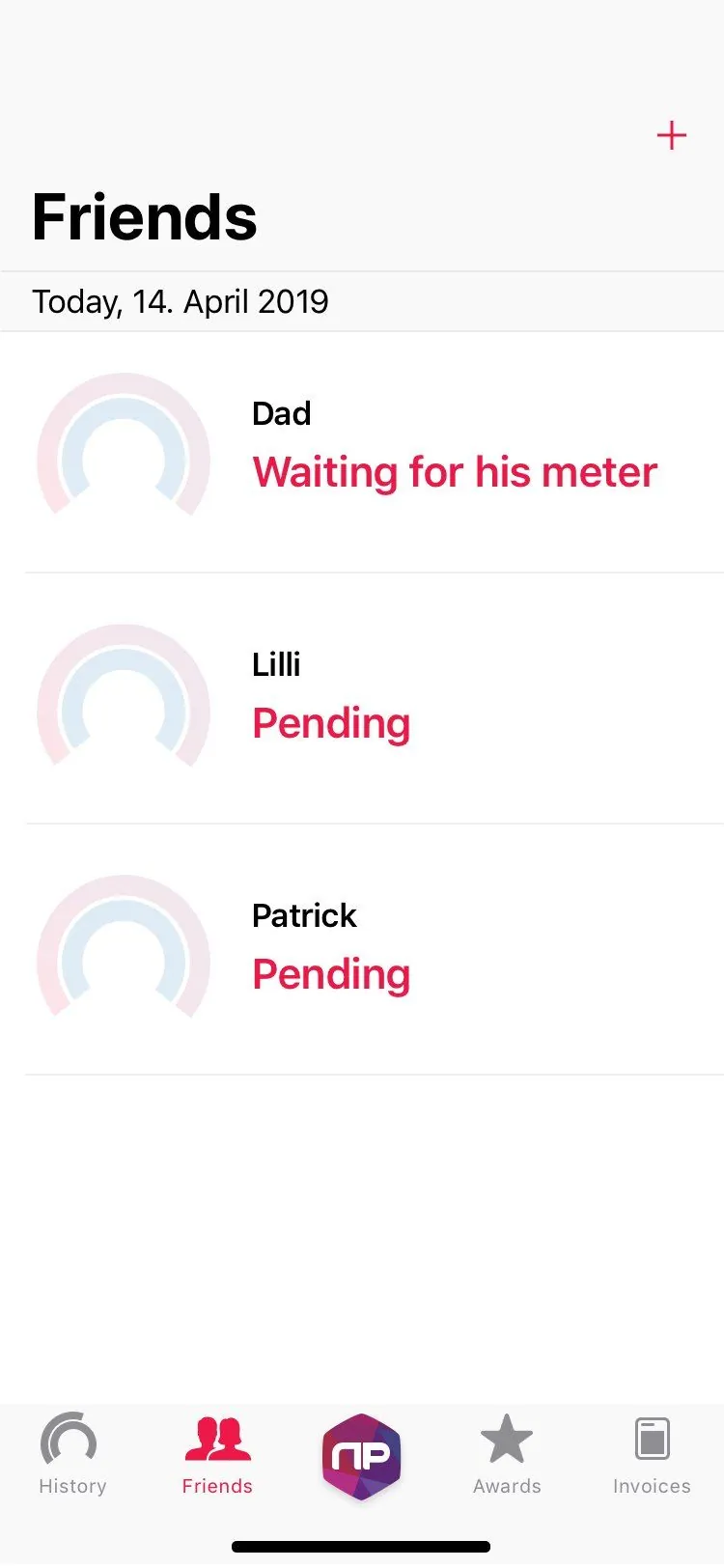
Usage became a gamified relationship rather than a monthly bill: daily consumption compared against similar households, savings tracked year on year, monthly awards for reduced usage, and a friends and referral system with leaderboards by street, town and city, built so a convert like Jen could pull in her own dad.
Outcome
A 39-screen working prototype covering the full lifecycle: sign-up, meter ordering, engineer visit, day-to-day monitoring, and the competitive and referral loop that kept it in daily use afterwards.